
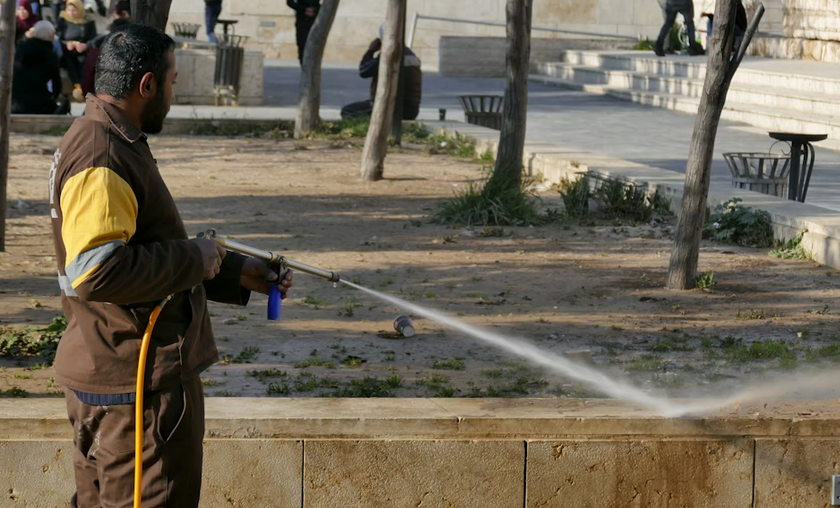
Pressure washing is a highly effective method to rejuvenate outdoor surfaces such as decks, patios, driveways, and siding. However, improper use can cause more harm than good, damaging materials and creating costly repairs. Many homeowners underestimate the technical nuances of pressure cleaning, from selecting the correct nozzle and pressure settings to understanding surface sensitivity. Professional Brisbane house washing services can provide expertise and equipment that safeguard surfaces while achieving a deep clean. Without proper knowledge, homeowners risk etching wood, stripping paint, or displacing grout. To prevent such pitfalls, it’s important to be aware of the common mistakes made during pressure washing and how to avoid them. Below are critical errors to watch out for.
Using Excessive Pressure
One of the most frequent errors is applying too much pressure for the surface being cleaned. While high PSI may seem effective, it can easily damage wood, paint, or delicate stone surfaces. Excessive pressure can leave unsightly gouges, splinter wood decking, or peel paint, turning a routine cleaning into an expensive repair project. Homeowners should always adjust the pressure settings according to the material. Softer surfaces like timber or composite decking require lower pressure, whereas concrete and brick can withstand higher PSI. Testing a small inconspicuous area first is a simple step that prevents unintended damage. Choosing the correct pressure ensures deep cleaning without compromising structural integrity.
Neglecting Proper Surface Preparation
Cleaning an outdoor surface without prior preparation is a common oversight. Loose debris, leaves, or dirt can act as abrasive agents when pressure-washed, scratching surfaces or embedding grime further. Removing objects, sweeping surfaces, and pre-soaking heavily stained areas improves cleaning efficiency and reduces the risk of surface harm. Additionally, protecting nearby plants, furniture, and fixtures is crucial. Spray drift can damage landscaping or stain furniture. Covering these areas and clearing the work zone minimizes collateral damage, ensuring a safe and effective cleaning session.
Using the Wrong Nozzle or Spray Angle

Pressure washers come with various nozzles that control the water spray pattern, each designed for different tasks. Using a narrow-angle nozzle too close to a sensitive surface concentrates force, causing permanent marks or erosion. Conversely, too wide a spray may reduce cleaning effectiveness, leaving stubborn grime behind. Maintaining the correct distance between the nozzle and the surface is equally important. Holding the wand too close or at the wrong angle can lead to uneven cleaning and surface damage. Understanding nozzle types and spray dynamics is essential to achieving a uniform finish while protecting delicate materials.
Ignoring Safety Precautions
Pressure washers operate at high pressures capable of causing injury. Many homeowners fail to wear protective equipment such as gloves, goggles, and closed-toe shoes. Spray kickback, falling debris, and chemical exposure are all potential hazards during exterior cleaning. Electrical safety is another concern, especially when using electric pressure washers near outlets or water sources. Professionals are trained to follow strict safety protocols, but DIY users must also respect the risks. Maintaining awareness and using proper safety gear protects both the operator and the surrounding property.
Overlooking Surface-Specific Cleaning Requirements
Not all outdoor surfaces respond the same way to pressure washing. Wooden decks, painted surfaces, concrete, brick, and stone each require specific cleaning methods. Using a generic approach can strip paint, etch stone, or warp decking boards. Selecting the correct detergent, water temperature, and cleaning technique is essential. Eco-friendly, non-corrosive cleaners are recommended for painted or delicate surfaces, whereas tougher stains on concrete may need specialized solutions. Knowledge of surface-specific requirements enhances effectiveness and prevents long-term damage.
Avoiding common pressure washing mistakes ensures your outdoor surfaces remain clean, attractive, and intact. Excessive pressure, incorrect nozzle selection, inadequate preparation, neglecting safety, and ignoring surface-specific needs are frequent pitfalls that homeowners can easily prevent. With proper care and informed techniques, pressure washing can restore the appearance of decks, patios, and driveways without causing harm. Prioritizing these considerations maximizes cleaning results, protects materials, and maintains the aesthetic appeal of your property while reducing potential repair costs. A careful, informed approach allows homeowners to enjoy clean, rejuvenated outdoor spaces safely and efficiently.