

The kitchen is often considered the heart of the home, but it can easily become cluttered and chaotic when not organized properly. An unstructured kitchen slows down meal preparation, makes it difficult to find tools, and adds unnecessary stress to daily routines. Creating an organized system tailored to your cooking habits not only saves time but also enhances the overall experience of preparing meals. With thoughtful planning, you can transform your kitchen into a functional, efficient space that supports your lifestyle.
Create Work Zones for Functionality
Dividing the kitchen into specific zones is one of the best ways to improve efficiency. A cooking zone around the stove should contain pots, pans, utensils, and commonly used spices. The preparation zone benefits from knives, cutting boards, and mixing bowls within easy reach. A cleaning zone around the sink should include dish soap, sponges, and towels, while a storage zone should be designated for dry goods and pantry items. Establishing these zones ensures that everything has its designated place and reduces the time wasted searching for tools.
Keep Frequently Used Items Accessible

Daily efficiency depends on how quickly you can access the tools and ingredients you use most often. Storing frequently used items, such as plates, mugs, or cooking oils, at eye level makes them easy to access. Heavier appliances that you use less frequently, like slow cookers or blenders, can be stored in lower cabinets. By prioritizing accessibility, you reduce unnecessary movement and create a smoother workflow.
Declutter and Simplify Storage
Clutter is one of the biggest barriers to an efficient kitchen. Duplicates of tools, expired pantry items, and rarely used gadgets take up valuable space. Regularly decluttering and keeping only what you truly need helps streamline organization. Drawer organizers, shelf risers, and clear storage containers also make it easier to maintain order. Simplifying your kitchen allows you to focus on functionality rather than managing excess items.
Use Vertical and Hidden Storage Solutions
Maximizing space is essential in any kitchen, especially smaller ones. Vertical storage solutions like wall-mounted racks for utensils, magnetic strips for knives, or hooks for pots and pans help free up counter and cabinet space. Pull-out drawers, lazy Susans, and under-sink organizers make hidden areas more accessible. Utilizing every inch of available space ensures the kitchen remains tidy while still accommodating all your essentials.
Label and Group Pantry Items
An organized pantry is crucial for efficient cooking. Grouping items by category—such as grains, canned goods, spices, or snacks—makes it easy to find what you need quickly. Clear containers with labels not only keep food fresh but also provide visual clarity, reducing the chances of overbuying duplicates. A well-structured pantry supports meal planning and helps minimize food waste.
Maintain a Daily Reset Routine
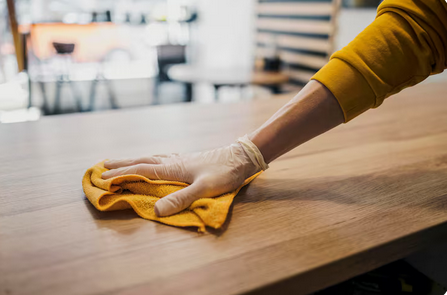
Even the most organized kitchen requires upkeep. Taking a few minutes each evening to return items to their proper places, wipe counters, and load the dishwasher ensures you start the next day with a clean and functional space. This daily reset routine prevents clutter from piling up and makes it easier to maintain efficiency over time.
An organized kitchen is the foundation of efficient daily routines. By creating functional zones, prioritizing accessibility, decluttering, and using smart storage solutions, you can transform your cooking space into a streamlined environment that saves both time and energy. A tidy pantry and consistent reset routine further reinforce order, making meal preparation more enjoyable and less stressful. With thoughtful organization, the kitchen becomes not just a place to cook, but a space that supports healthier habits and smoother daily living.